

Introduce the performance of electric control valve
Release time:
2024-10-22 16:18
Electric conditioning valve is an important performance unit instrument in industrial automation process control. With the increasing degree of automation in industrial areas, it is being used more and more in various industrial production areas. Compared with the traditional pneumatic conditioning valve has obvious advantages: electric conditioning valve energy saving (only in the operation of electricity consumption), environmental protection (no carbon emissions), the device is fast and convenient (no need for complex pneumatic pipeline and air pump operation station).
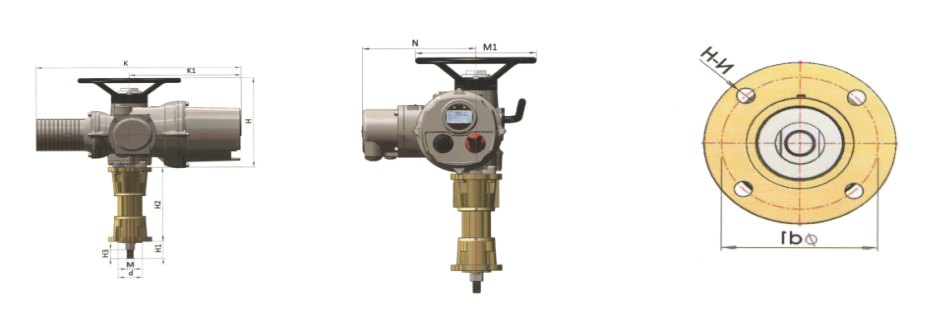
According to the power used by its assigned performance mechanism, the valve is divided into linear characteristics, equal percentage characteristics and parabolic characteristics according to its function and characteristics. Three kinds of electric conditioning valves have signals and no action. Check out the reasons. Take it apart and look at it. The electric conditioning valve is formed by connecting and combining the electric performance mechanism and the conditioning valve through mechanical connecting assembly and debugging devices.
The main parts and materials: valve body, valve cover, packing gland, valve stem, valve clack, sealing ring, indicator, valve stem nut, nut sleeve drive the valve to change the cross-sectional area between the valve core and valve seat to control the flow, temperature, pressure and other process parameters of the pipeline medium by receiving signals from the industrial automation control system (e.g. 4 ~ 20mA). Realize the function of automatic conditioning.
The new electric regulating valve actuator contains feeding function, accepts unified 4-20mA or 1-5V DC standard signal, converts the current signal into corresponding linear displacement, and automatically controls the opening of the regulating valve to achieve continuous regulation of process parameters such as pressure, flow rate, temperature and liquid level of fluid in the pipeline.
2022-12-19
Wuhan Weituo Fluid Control Equipment Co., Ltd
Address: 1706, Building D, Wuhan Living Room, No.8 Hongtu Avenue, Dongxihu District, Wuhan City
Telephone:0086-18942929031 0086-18571829295
Landline:0086-027-83612831
Fax: 0086-027-83612830
E-mail:watosong@watovalve.com
Website:www.watovalve.com


