

Installation principle of pneumatic control valve and electric control valve
Release time:
2024-10-22 16:18
Different control valves have different device requirements, pneumatic control valve and electric control valve device guidelines and what are the precautions? Xiaobian today and we talk about.
pneumatic control valve device guidelines:
1 The position of the pneumatic control valve device is required to have a certain height from the ground, and a certain space should be left up and down the valve for disassembly, assembly and repair of the valve. Regarding the regulating valve equipped with pneumatic valve positioner and handwheel, it is necessary to ensure the convenience of operation, investigation and adjustment.
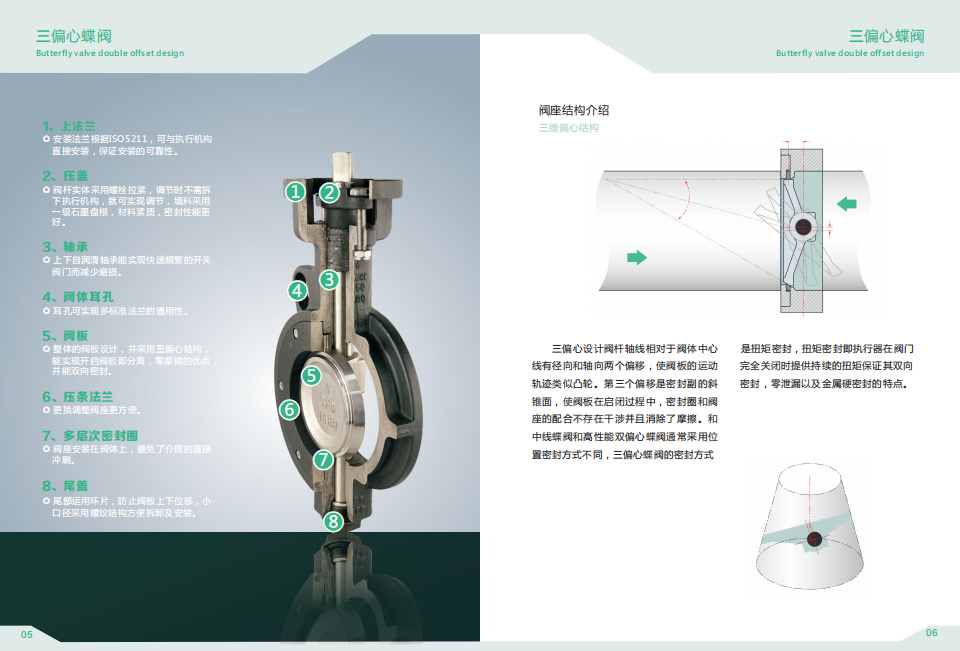
2. The regulating valve should be mounted on the horizontal pipeline and straight up and down with the pipeline. Generally, it should be supported under the valve. On special occasions, when the regulating valve is required to be horizontally mounted on a vertical pipeline, the regulating valve should also be supported (except for small-diameter regulating valves). Device, to avoid bringing additional stress to the control valve.
3. The working environment temperature of the regulating valve shall be (-30 -- +60) and the relative humidity shall not be greater than 95%
4. before and after the control valve should have a straight pipe section, the length of not less than 10 times the pipe diameter (10D), in order to avoid the valve straight pipe is too short and affect the flow characteristics.
5. The diameter of the regulating valve is not connected with the process pipeline, and the reducer shall be adopted. In the small diameter regulating valve device, available thread connection. The fluid direction arrow on the valve body should be consistent with the fluid direction.
6. Bypass piping shall be provided. The intention is to facilitate switching or manual operation, and can adjust the valve for maintenance without parking.
7. Regulating valve before the device to thoroughly remove the foreign matter in the pipeline, such as dust, welding slag, etc.
guidelines for electric control valve device:
1. The orientation, height and import and export direction of the valve device are necessary to meet the design requirements of the direction, and the connection should be firm and tight.
2. Valves can be used in various forms of end and pipeline connection. One of the most important connection method is thread, flange and welding connection. When the flange is connected, if the temperature exceeds 350 ℃, due to the bolt. Flange and gasket creep relaxation, should choose high temperature bolt material.
3. It is necessary to conduct visual inspection before the valve device, and the nameplate of the valve should conform to the rules of the current international standard GB12220 "General Valve Marking. Regarding the valves with working pressure greater than 1.0MPA and cutting off effect on the main pipe, strength and tightness tests shall be carried out, and the valves shall be allowed to be used only after they are qualified. Other valves may not be tested independently and shall be inspected in the system pressure test.
4. During the strength test, the test pressure is 1.5 times of the nominal pressure, and the continuous time is not less than 5min. The valve shell and packing should be free of leakage.
5. During the tightness test, the test pressure is 0.3mpa. The test pressure shall remain unchanged during the test. The test pressure shall conform to the rules in Table 2 at all times, and the valve clack sealing surface shall be qualified without leakage.
6. Nominal diameter: DN15-500
In order to ensure the better use of the control valve, it is necessary to pay more attention to the process of the device to ensure the normal use and life of the control valve.
2022-12-19
Wuhan Weituo Fluid Control Equipment Co., Ltd
Address: 1706, Building D, Wuhan Living Room, No.8 Hongtu Avenue, Dongxihu District, Wuhan City
Telephone:0086-18942929031 0086-18571829295
Landline:0086-027-83612831
Fax: 0086-027-83612830
E-mail:watosong@watovalve.com
Website:www.watovalve.com


