

Flow characteristics of electric regulating valve
Release time:
2024-10-22 16:19
The flow characteristics of the electric conditioning valve is the relationship between the relative flow of the medium flowing through the electric conditioning valve and its opening degree under the condition that the pressure difference between the two ends of the valve remains constant.
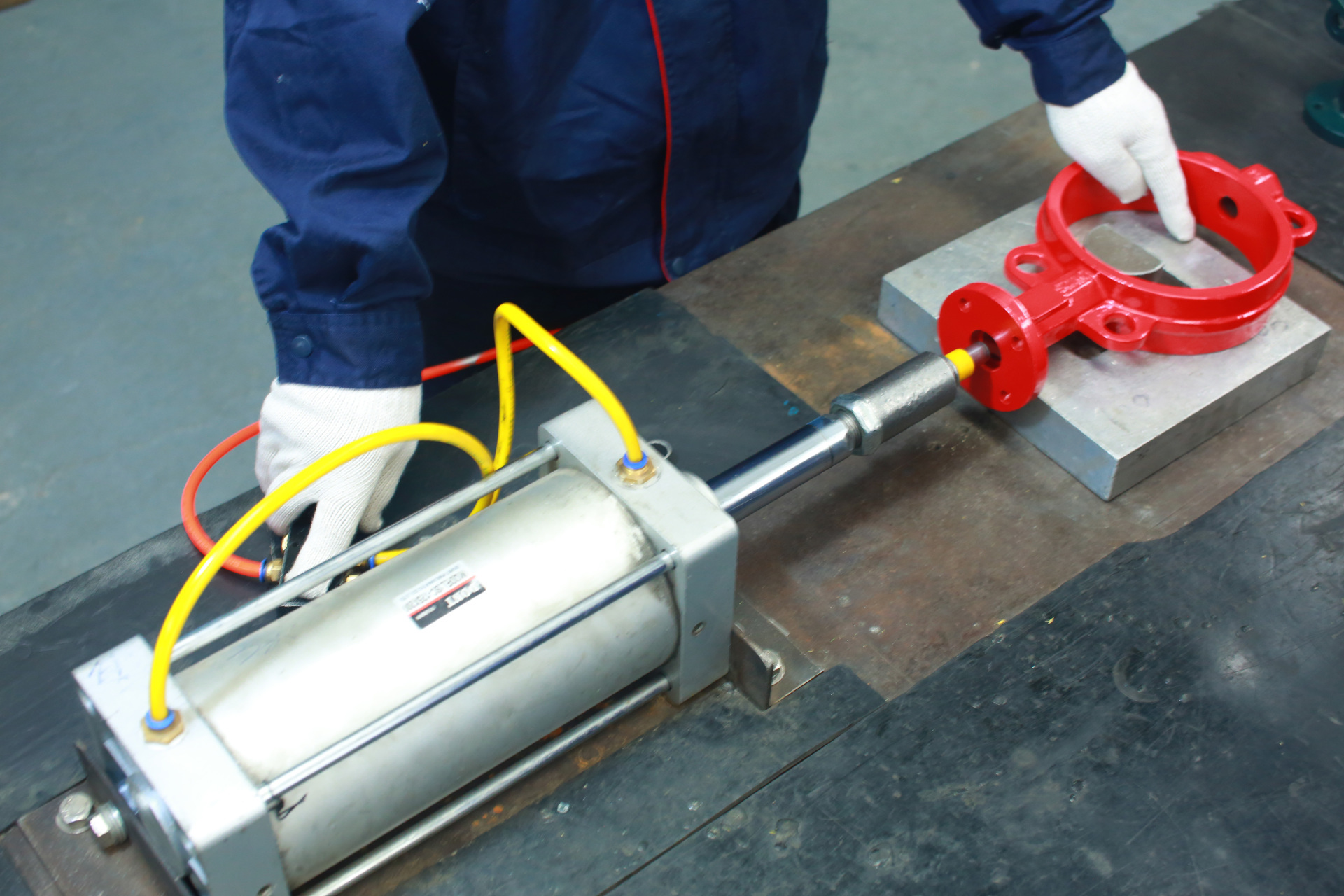
Electric conditioning valve flow characteristics are: linear characteristics, such as the percentage of characteristics and parabolic characteristics of three.
Electric power, chemical industry, metallurgy, environmental protection, water treatment, light industry, building materials and other industrial automation systems.
The most suitable device for the electric conditioning valve is the upper end of the working piston in the lower part of the horizontal pipeline. The temperature sensor can be installed in any position, and the entire length must be immersed in the controlled medium.
The electric conditioning valve generally includes a driver, which receives the driver signal (0-10V or 4-20MA) to control the valve for conditioning. It can also form an intelligent network control system according to the control needs to optimize the control to realize long-distance monitoring.
2022-12-19
Wuhan Weituo Fluid Control Equipment Co., Ltd
Address: 1706, Building D, Wuhan Living Room, No.8 Hongtu Avenue, Dongxihu District, Wuhan City
Telephone:0086-18942929031 0086-18571829295
Landline:0086-027-83612831
Fax: 0086-027-83612830
E-mail:watosong@watovalve.com
Website:www.watovalve.com


